Aperitifs, proxies & modern enjoyment without alcohol
Non-alcoholic alternatives are far more than a fleeting trend. They represent conscious enjoyment, quality, and new rituals – all without alcohol. Whether as a non-alcoholic aperitif before dinner, as a sophisticated accompaniment to a meal, or as a stylish option for special occasions: modern alcohol-free beverages open up a new world of enjoyment, where structure, aromas, and atmosphere take center stage.
More and more people are consciously choosing alcohol-free aperitifs – not out of abstinence, but out of conviction. The focus is shifting from alcohol to balance, texture, tannins, and the shared moment.
What are non-alcoholic alternatives?
Non-alcoholic alternatives are drinks that resemble wine, sparkling wine or spirits in taste and sensory experience, but do not contain alcohol or have been subsequently dealcoholized.
The focus is not on sweetness or fruitiness, but rather:
- balance
- Acid structure
- subtle bitterness
- Tannins and texture
- aromatic depth
High-quality non-alcoholic alternatives are not substitute products, but independent compositions with character – developed for adult tastes and culinary relevance.
Proxies – A new category of non-alcoholic food pairings
What are proxies?
Proxies are non-alcoholic beverages specifically designed to accompany food. The term derives from the English word "proxy" (substitute).
Unlike dealcoholized wine, proxies don't attempt to imitate a specific alcoholic counterpart. Instead, they take on its function in food pairing: they structure a dish, create contrasts, and prolong flavors.
The following are crucial:
- precise acid
- Texture and mouthfeel
- Bitter substances
- tannins
- complex aroma
Proxys are made from scratch without alcohol. Typical components include:
- cold brewed tea infusions
- Herbs and botanicals such as wormwood or gentian
- Fruit extracts
- Ferments
- natural acid sources
Proxies in Gastronomy & Fine Dining
In modern gastronomy, proxies are becoming increasingly important – especially in the area of non-alcoholic wine pairing and fine dining.
They are specifically designed as menu companions and, depending on the style, add mineral, spicy, or fresh accents. This creates a fully-fledged alternative to classic wine pairings – structured, dry, and culinarily precise.
Completely alcohol-free vs. dealcoholized
Alcohol-free alternatives can generally be divided into two categories. This distinction is relevant both in terms of taste and legal considerations.
Completely alcohol-free beverages
These drinks are produced without alcoholic fermentation. Common bases include:
- Tea infusions
- Herbs
- Juices
- Ferments
Since no alcohol is produced, these products typically contain 0.0% alcohol. The focus is often on freshness, herbal notes, or fruitiness – but increasingly also on dry, structured profiles.
De-alcoholised beverages
Dealcoholized products are initially produced using traditional methods, such as winemaking. The alcohol is then removed using gentle processes.
This preserves part of the original structure – especially acidity, light tannins and mouthfeel.
Some producers combine dealcoholized base wines with tea or botanical components to further enhance complexity and balance.
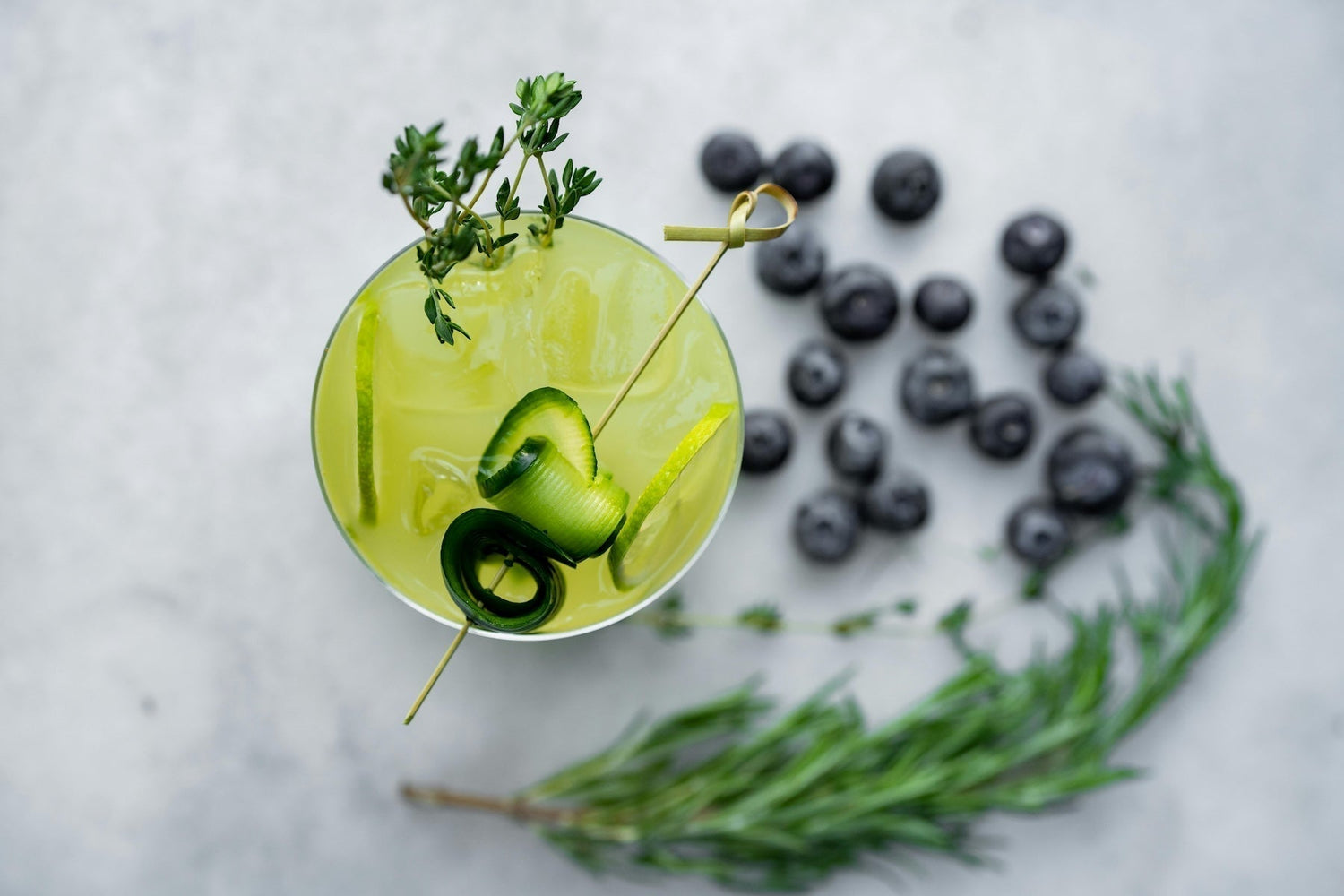
Non-alcoholic aperitif: Structure instead of sweetness
The aperitif is traditionally the prelude to a special moment. It awakens the palate, stimulates the senses, and prepares the palate for the meal to follow.
A high-quality non-alcoholic aperitif is typically characterized by:
- fine, elegant bitterness
- Herbal and citrus notes
- precise acid
- dry finish
- balanced mouthfeel
Today's non-alcoholic aperitifs are complex, sophisticated, and a far cry from sweet substitute drinks.
Why non-alcoholic alternatives are becoming increasingly popular
The growing market for non-alcoholic beverages reflects a societal change.
Conscious lifestyle
Many people reduce their alcohol consumption for health or personal reasons.
Uncompromising enjoyment
Modern manufacturing processes enable depth, structure and aromatic complexity – even without alcohol.
Social acceptance
Whether it's a dinner party, business event or wedding – non-alcoholic aperitifs have long been commonplace.
Culinary relevance
In gastronomy and fine dining, non-alcoholic food pairings are increasingly becoming a regular menu option.
Legal classification: When is a beverage considered alcohol-free?
Alcohol-free
A beverage may be labelled as "alcohol-free" if it contains less than 0.5% alcohol by volume.
0.0% labeling
The indication "0.0%" is permitted if the alcohol content is no more than 0.05% by volume. This limit corresponds to the analytical detection limit.
Products without labeling requirements
Some foods can contain natural traces of alcohol without requiring labeling. These include:
- Fruit juices (up to 0.38% vol.)
- Grape juice (up to 1.0% vol. through natural fermentation)
The decisive factor for the claim is therefore the actual residual alcohol content – not the production method.
Note: The classifications refer to the German market.
For whom are alcohol-free alternatives suitable?
Non-alcoholic alternatives are a conscious choice for many life situations:
- Pregnancy & Breastfeeding
- Drivers
- Athletes:
- People with health reasons
- Business events
- social occasions
- conscious enjoyment in everyday life
Note: Pregnant and breastfeeding women are advised to specifically look for drinks with a clear 0.0% label.
FAQ: Frequently asked questions about alcohol-free alternatives
What is an alcohol-free alternative?
Alcohol-free alternatives are drinks that taste similar to wine or spirits, but do not contain alcohol or have been dealcoholized.
What is the difference between alcohol-free and dealcoholized?
"Alcohol-free" describes the alcohol content. "Dealcoholized" refers to the manufacturing process in which alcohol is initially produced and then removed.
Are non-alcoholic aperitifs truly alcohol-free?
Many products contain 0.0% alcohol by volume, others up to 0.5%. The specific labeling is crucial.
What do non-alcoholic alternatives taste like?
High-quality non-alcoholic alternatives are complex, balanced, and aromatic – often with herbal, tea, or citrus notes. They are no longer automatically sweet.
Are alcohol-free alternatives healthier?
They contain no alcohol and are usually lower in calories than classic aperitifs. However, their nutritional value depends on the ingredients and sugar content. High-quality products often contain significantly less sugar than soft drinks and sometimes less than 5g of residual sugar per 100ml.
Conclusion: Alcohol-free enjoyment as a separate category
Today, alcohol-free alternatives are more than just an option for "non-drinkers". They represent a new, conscious form of enjoyment – structured, aromatic, and culinarily sophisticated.
Anyone who wants to rethink aperitifs, food pairings or fine dining will find a unique and sophisticated alternative in modern non-alcoholic compositions.